AI 新聞 · OpenAI · Images 2.6
OpenAI Images 2.6 讓 ChatGPT 能做 GIF,token 價格與 2.5 相同
新的圖像模型在 API 的定價與 9 月的模型相同,但不適用 OpenAI 為可等待工作提供的半價 Batch 選項。
描述一張圖或上傳照片,ChatGPT 現在一步就能產出動態 GIF。在同一個對話中,還能調整播放速度或編輯單一影格。The Verge 報導,2026 年 11 月 4 日的 Images 2.6 更新帶來這項功能,OpenAI 將向所有 ChatGPT 與 Codex 使用者推出。
OpenAI 表示 Images 2.6 生成速度更快,並指出 ChatGPT 與 API 每週的圖像產出超過 4bn 張,9 月時為 3bn 張。
開發者有兩款 API 模型:GPT-Image-2.6 Flare 與 Sunburst,都能輸出動態 GIF 與 SVG(一種放大到任何尺寸都清晰的向量格式)(更新日誌)。OpenAI 的模型頁面將 Flare 用於互動式生成與編輯,Sunburst 用於細節豐富的構圖與編輯。
兩者的定價都是每百萬個圖像輸出 token 30 美元,也就是 OpenAI 計算圖像生成費用的單位,與 9 月 8 日發布的 2.5 系列模型費率相同。變化出現在 Batch 欄,這是 OpenAI 為可以等待的工作提供的半價選項。GPT Image 2 與 2.5 在該欄為 15 美元,2.6 系列模型則沒有。
OpenAI 沒有公布 2.6 的單張圖片價格,只有 token 費率與計算機。以規模作比較:我們 11 月 4 日確認時,1K 圖像在 Nano Banana 2.1 為 0.0336 美元,在 Nano Banana 2 為 0.067 美元。我們於 9 月 23 日查閱時,OpenAI 中等品質的 GPT Image 2 正方形圖,光輸出 token 就要 0.053 美元,提示詞與輸入 token 另計(我們的 ChatGPT 專頁)。
因此,可以等待的商品型錄批次作業,用 2.5 走 Batch,每百萬輸出 token 15 美元,而 2.6 為 30 美元;這讓 2.6 得靠有人在等的工作,或隨附的 GIF 與 SVG,來證明這個費率值得。
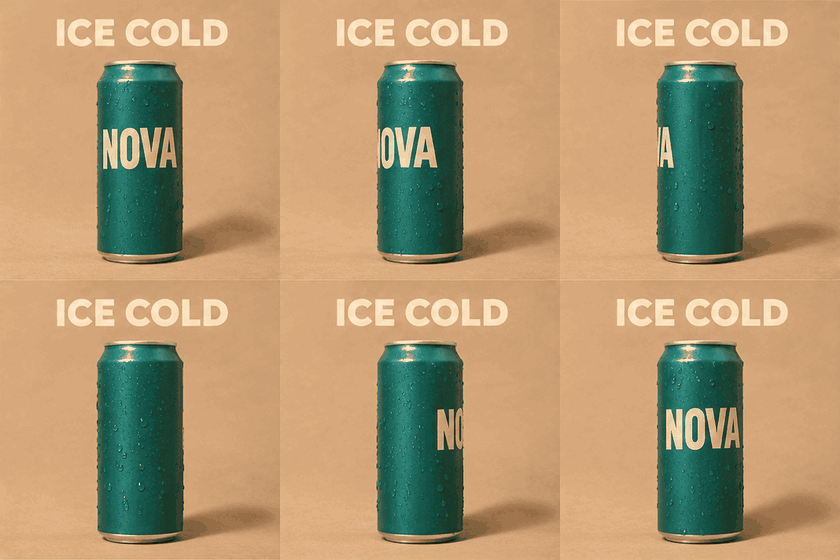
提示詞
Create an animated GIF, square 1:1, a short seamless loop for a social media ad. A slim matte teal drinks can with the brand name "NOVA" printed large in bold cream capitals on its front turns one slow full rotation on the spot, standing on a warm sand-coloured paper backdrop that fills the whole frame. Small cold water droplets sit on the can and catch the light. Soft daylight falls from the upper left, and one soft shadow rests on the paper to the right of the can, turning gently as the can turns. In the top quarter of the frame, the words "ICE COLD" stay fixed in bold cream capitals, about half the frame wide, with a clear band of empty backdrop above them and on both sides. Straight-on camera at can height, the can centred in the lower three quarters of the frame, with empty backdrop below it. The camera, the backdrop, the words and the light stay still; only the can and its shadow move. The last frame matches the first so the loop has no jump.資料來源
- The Verge:ChatGPT will now make you animated GIFs。確認於
- OpenAI:更新日誌。確認於
- OpenAI:價格。確認於
- OpenAI:GPT-Image-2.6 Flare Model。確認於
- OpenAI:GPT-Image-2.6 Sunburst Model。確認於
